
Our Expertise
Complementary areas of expertise, so that each project is addressed as a whole.
The projects Portus supports usually draw on several of these areas at once. The firm addresses them together, taking account of their strategic, institutional, financial and operational dimensions.
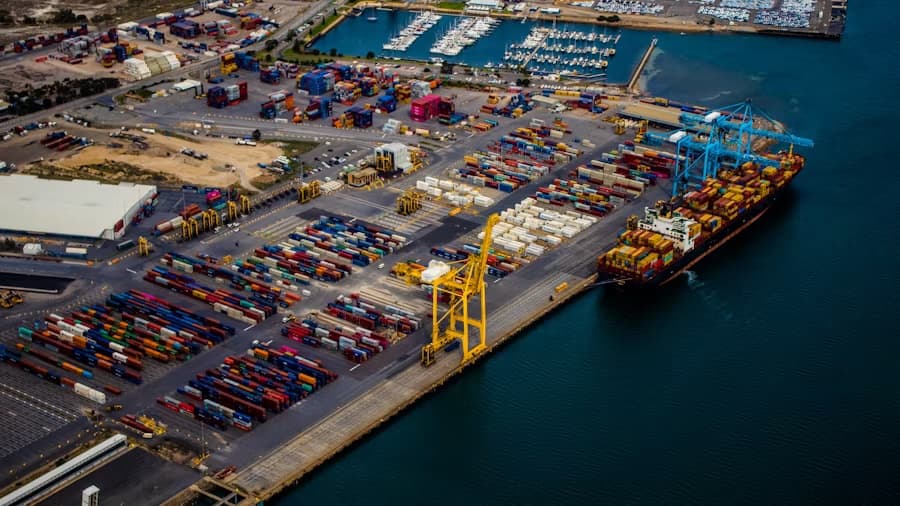
Port Strategy, Governance & Master Planning
A port strategy is not only a matter of projecting traffic and sizing infrastructure. It has to define the port's purpose within its competitive environment, the trades it should serve, its hinterland, the respective roles of public and private actors, and the land and water reserves to be protected.
Portus turns those choices into a master plan that can evolve, built around demand thresholds, investment priorities and realistic development sequences. Governance, the operating model, concessions and the interfaces with the city, industry, road and rail are treated as parts of one system.
The aim is to avoid capacity built too early, investment that proves difficult to finance, and works that would close off the port's room to develop.
Selected Capabilities
- Strategic positioning and definition of the port's purpose
- Analysis of traffic, trades and hinterland
- Port master plans and land-use planning
- Infrastructure phasing against demand thresholds
- Port governance and allocation of responsibilities
- Landlord, tool and service port models
- Terminalisation strategy and concession perimeters
- Port–city, port–industry, road and rail interfaces
- Investment prioritisation and development programming
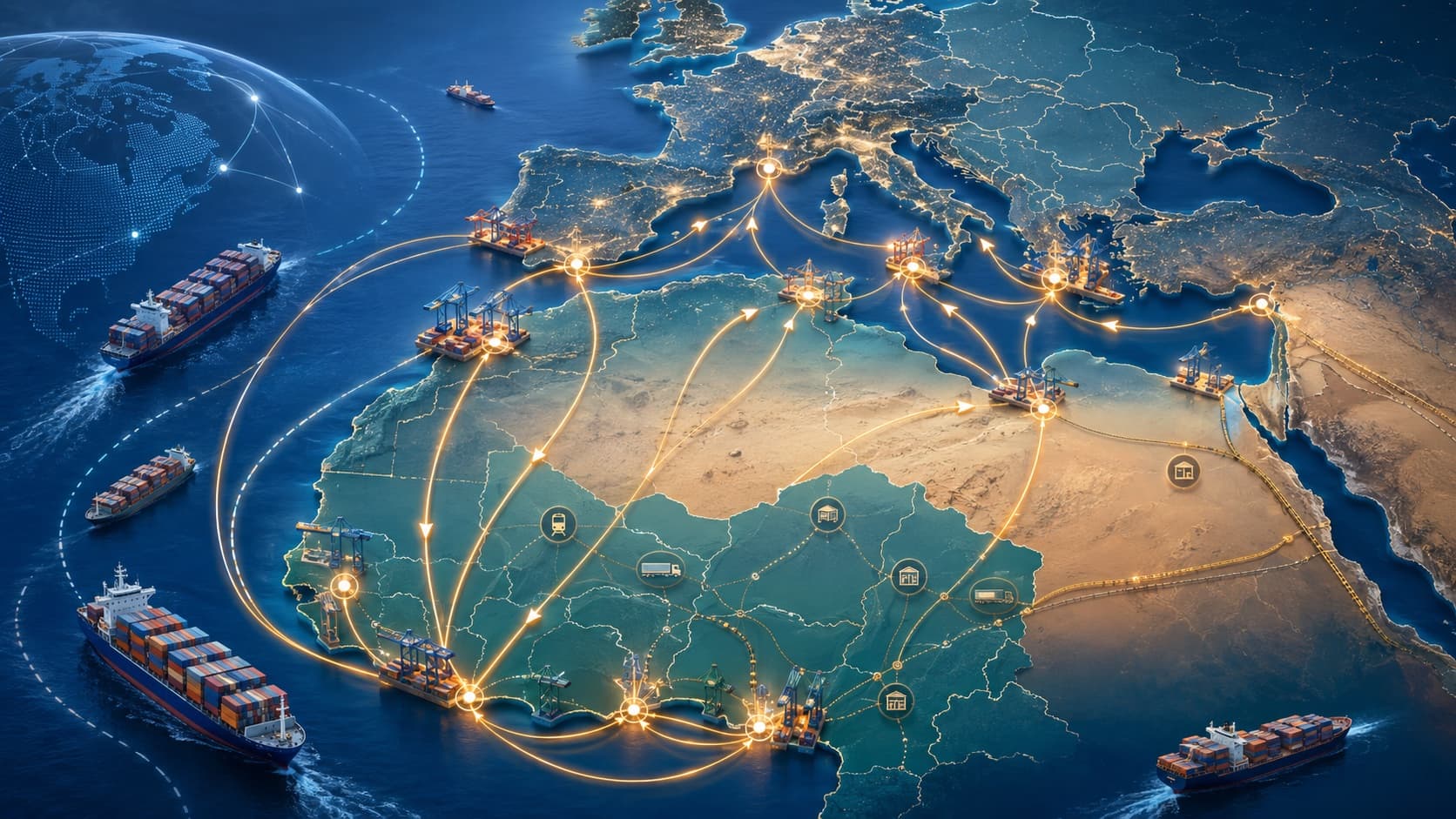
Logistics & Trade Corridors
A corridor's performance is not measured by the capacity of its infrastructure alone. It depends on total transit time, on how predictable that time is, and on the coordination between the port terminal, road and rail networks, inland platforms, border posts and customs systems.
Portus analyses flows end to end in order to identify breaks in the chain, waiting times, additional costs and responsibilities that are poorly allocated. The work covers infrastructure as much as procedures, corridor governance, information sharing and the interfaces between operators.
The aim is to turn a succession of infrastructure into a coherent logistics system, able to serve its hinterland over time and to support regional trade.
Selected Capabilities
- Corridor strategy and flow analysis
- Positioning of the port within its hinterland
- Port–road–rail integration
- Dry ports and inland logistics platforms
- Terminal performance and port transit times
- Trade facilitation and border procedures
- Corridor governance and coordination between actors
- Port community systems and data sharing
- Continuity of flows and logistics resilience

Energy Transition & Port Energy Hubs
Hydrogen, ammonia, methanol, sustainable fuel and carbon capture projects carry port implications from the moment they are designed. Their viability depends among other things on marine access, land, utilities, storage and handling capacity, safety constraints and the existence of identified offtake.
Portus supports the integration of these projects into port and industrial strategies. The firm analyses the requirements attached to flows, terminals, inland connections, export corridors and local uses, working alongside the technical, environmental and regulatory specialists concerned.
The point is to plan infrastructure that can evolve at the pace the market actually sets, and so avoid oversizing, competing land uses and assets immobilised too early.
Selected Capabilities
- Port energy hub strategy
- Positioning of value chains and analysis of potential flows
- Hydrogen, ammonia, e-methanol and sustainable fuel interfaces
- Land, marine, logistics and storage requirements
- Access to utilities, water and energy networks
- Specialised terminals and handling interfaces
- Green corridors and bunkering strategy
- Integration with port industrial platforms
- Certification, traceability and regulatory interfaces
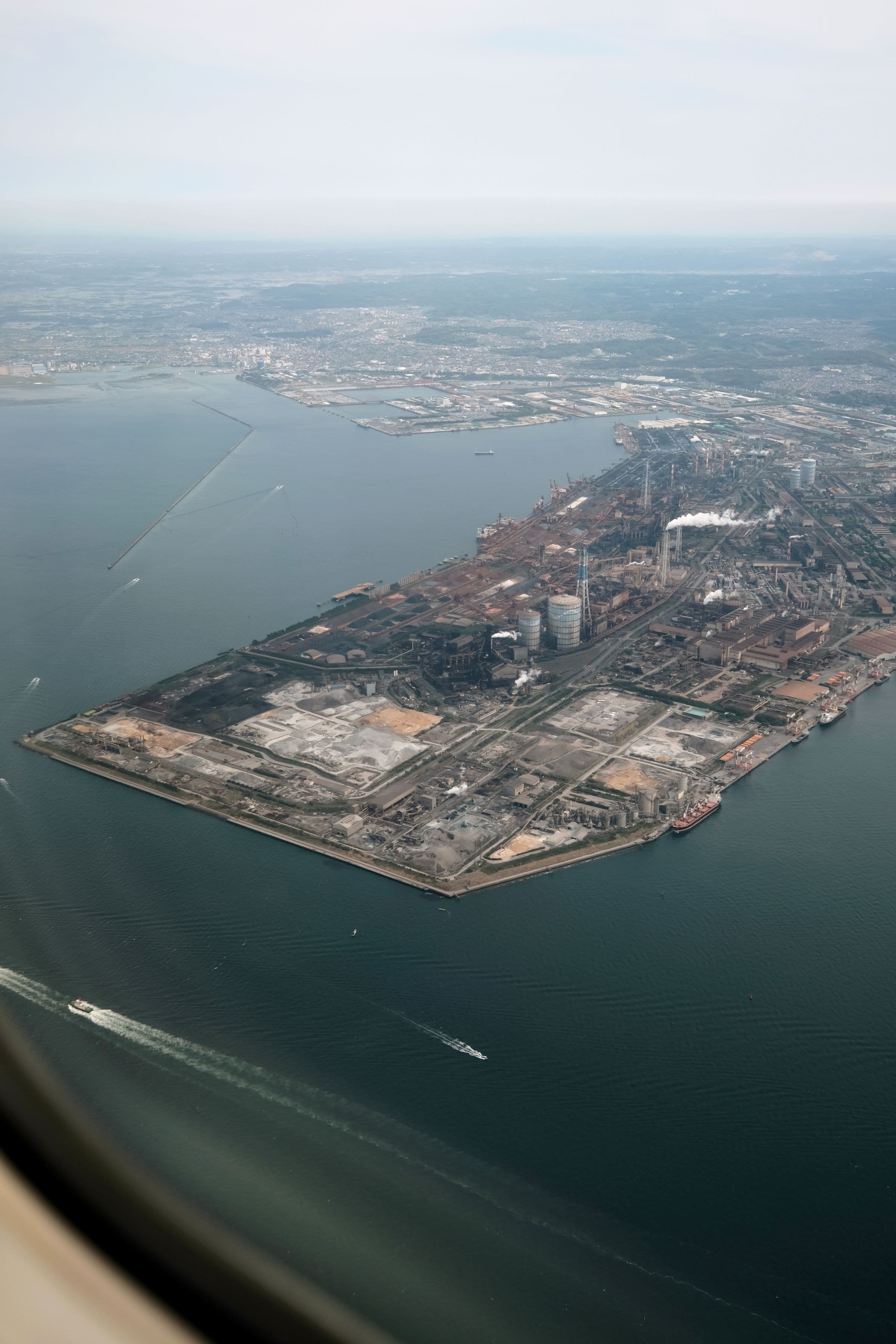
Industrial Platforms & Port-Industry Integration
A port industrial platform is not simply a land reserve close to the quays. Its attractiveness depends on land, energy, water, services, inland access and the port capacity required by the targeted activities all being available together.
Portus supports the definition of industrial positioning, the choice of value chains, the programming of infrastructure and the phasing of land. The analysis takes account of what investors need, of the synergies between industries, of the flows generated and of the port's own operating constraints.
The aim is to create the conditions under which industry can actually establish itself, while keeping the development of the zone, the capacity of the port and the public investment required consistent with one another.
Selected Capabilities
- Positioning of industrial platforms and zones
- Identification of target value chains and investors
- Land-use planning and management of reserves
- Phasing of servicing and shared infrastructure
- Energy, water, services and connectivity requirements
- Integration of industrial flows with port terminals
- Zone governance and management models
- Industrial ecosystems and shared services
- Mining, bulk and raw material interfaces

Investment, PPP & Concessions
The viability of a port project depends as much on how it is structured as on its technical justification. The concession perimeter, the revenue model, the allocation of risk, service obligations and the terms of remuneration must be consistent with demand, with the investment required and with what each party is able to carry.
Portus supports public and private actors in structuring projects, from the investment case through to preparation of the tender and negotiation. Particular attention goes to traffic risk, investment phasing, tariff mechanisms, performance undertakings and the conditions under which a decision can be reversed.
The aim is a contractual framework that is financeable, workable and balanced: one that protects the grantor's interests while allowing the operator to meet its obligations over the life of the contract.
Selected Capabilities
- Investment cases and readiness assessment
- Economic models and revenue scenarios
- PPP strategy and concession structuring
- Definition of the concession perimeter
- Allocation of public and private risk
- Tariff strategy and remuneration mechanisms
- Performance obligations and monitoring arrangements
- Procurement strategy and preparation of tenders
- Negotiation support and contractual finalisation
- Interfaces with financial, legal and technical advisers
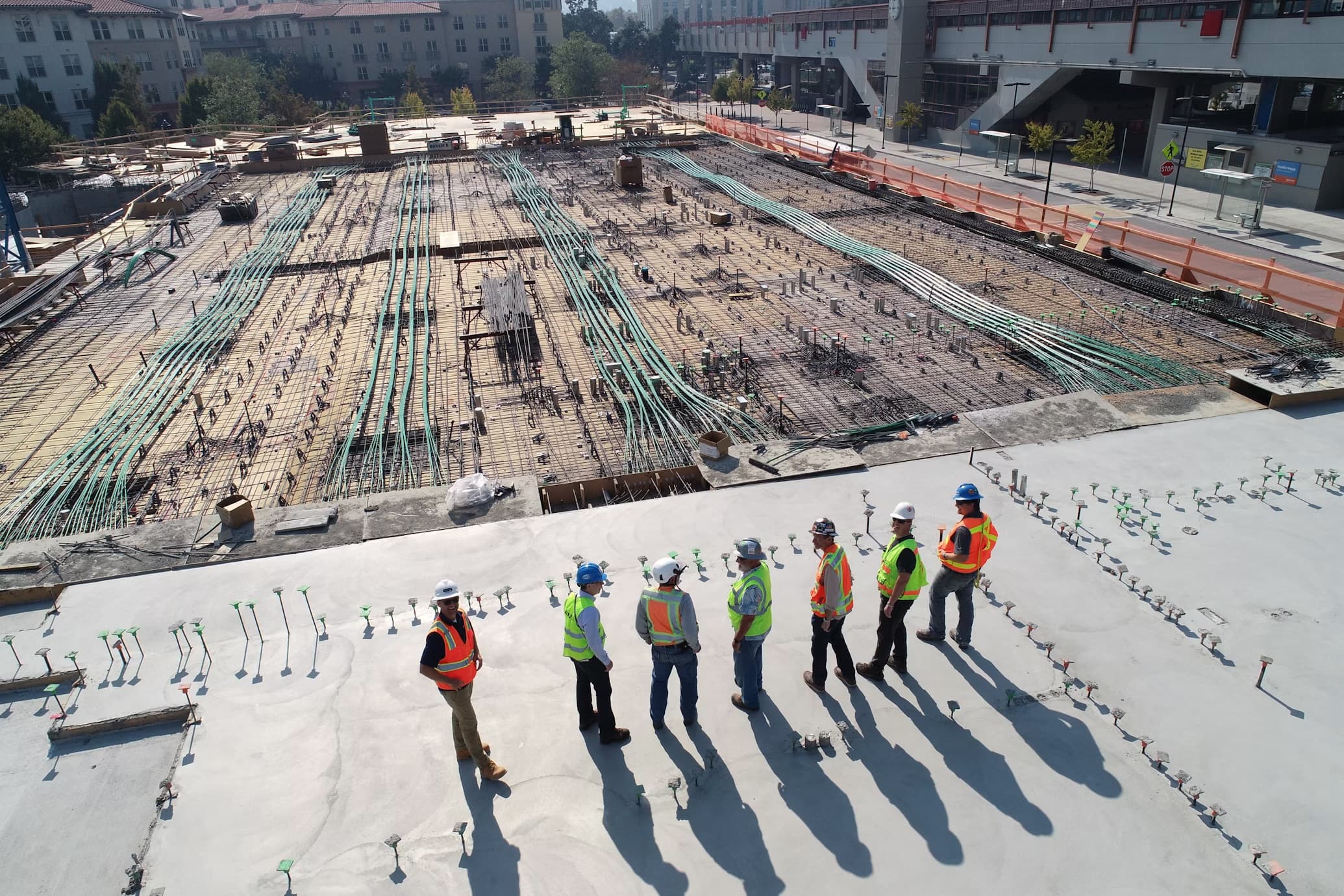
Project Delivery & Operational Readiness
Between the investment decision and entry into service, a project can lose part of its original logic. Changes of programme, interfaces that are poorly controlled, decisions taken late and gaps between design, construction and operation often undermine the performance expected.
Portus works alongside the owner to keep the project coherent while it is being delivered. The firm contributes to programme governance, to tracking decisions, to coordinating interfaces, to controlling change and to preparing operations step by step.
Entry into service is prepared before the works are finished: organisation, procedures, skills, maintenance, systems, testing, transfer of responsibilities and ramp-up. The aim is not only to deliver infrastructure, but to hand over a working facility able to reach the performance expected of it.
Selected Capabilities
- Programme governance and PMO arrangements
- Owner's engineer and client-side support
- Coordination of interfaces between contracts and stakeholders
- Tracking of decisions, risks, schedule and change
- Preparation of procurement and interfaces with contractors
- Preparation for entry into service and operation
- Organisation, procedures and operating models
- Recruitment, training and capability-building plans
- Testing, acceptance, transfer and handover of facilities
- Follow-up of ramp-up and operational performance